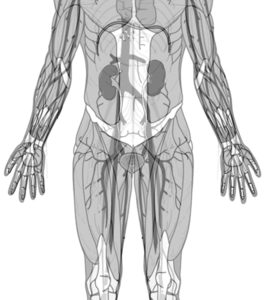

The aorta is the largest artery in the human body. It carries oxygen-rich blood from the heart to the rest of the body and plays a vital role in maintaining healthy circulation.
Certain conditions can affect the aorta, including aortic aneurysms, which may develop without noticeable symptoms in some patients. The appropriate monitoring and treatment plan depends on several factors, including the size and location of the aneurysm and the patient’s overall risk factors.
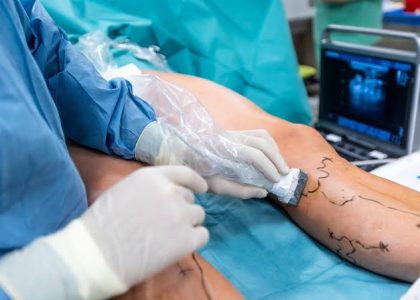
Medical monitoring may include regular imaging examinations to assess changes in the aorta. In certain situations, surgical or endovascular treatment may be recommended.
Early diagnosis and regular follow-up are especially important for individuals who have risk factors or a family history of aortic disease.
Sudden and severe pain in the chest, back, or abdomen can be a warning sign of a serious aortic complication and requires immediate medical attention.
Regular evaluation allows vascular specialists to identify potential problems early and determine the most appropriate treatment strategy for each patient.